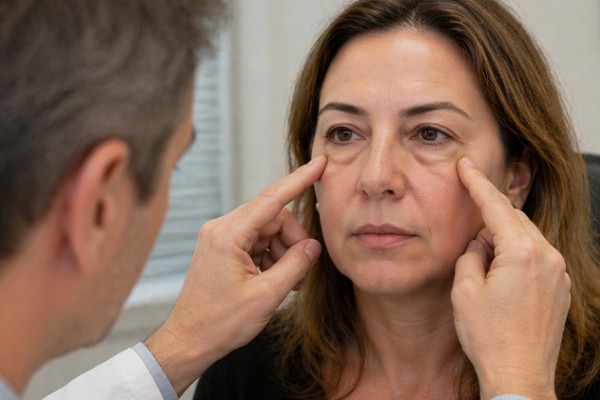

Is There a Risk of Nerve Damage During Facelift Surgery?
One of the concerns people have when considering facelift surgery is whether the facial nerves could be damaged during the procedure. The possibility of changes in facial expressions, facial asymmetry or numbness after surgery can be particularly worrying.
Nerves can be affected during facelift surgery, but serious nerve injuries that affect facial movements are rare. Postoperative numbness is not the same as nerve problems that cause weakness in the facial muscles. Some changes in nerve function may be temporary, while more serious injuries can have permanent consequences.
The aim of facelift surgery is to reposition sagging tissues while preserving natural facial expressions. Therefore, the anatomical course of the facial nerves and the surgical technique used are important considerations in planning the procedure.
What Do the Facial Nerves Do?
The nerves in the facial region have different functions. Some control the muscles responsible for facial expressions, while others transmit sensations such as touch from the skin. Understanding the difference between these two groups of nerves is important when evaluating potential postoperative problems.
Nerves That Control Facial Expressions
The facial nerve controls the muscles responsible for facial expressions in the forehead, around the eyes, cheeks and mouth. If the relevant branches of this nerve are affected, weakness may occur in movements such as raising the eyebrows, closing the eyes or smiling.
Nerves That Provide Skin Sensation
Sensory nerves around the face and ears are responsible for transmitting the sensation of touch. Lifting the skin and underlying tissues during surgery may cause temporary changes in sensation in certain areas.
Numbness and loss of movement in the facial muscles are different conditions. Therefore, postoperative symptoms should be evaluated according to the function of the affected nerve.
Why Can Nerves Be Affected During Facelift Surgery?
During a facelift, the skin and deeper supporting tissues are repositioned. Because some branches of the facial nerves are closely associated with these anatomical structures, they may be affected during surgery.
Temporary Stretching and Tissue Swelling
Movement of the tissues during surgery or swelling that develops afterwards may temporarily affect nerve function. In some cases where there is no permanent structural injury to the nerve, function may improve as healing progresses.
Direct Nerve Injury
In rare cases, direct injury to a nerve may occur. The location and severity of the injury influence the resulting loss of movement and the likelihood of recovery.
For this reason, it is important to assess facial anatomy, previous surgical procedures and individual risk factors before surgery.
Does Numbness After a Facelift Mean Nerve Damage?
Numbness may occur around the ears, cheeks and areas close to the incisions after facelift surgery. Some patients may also experience tingling or changes in their sense of touch.
These changes may be associated with the involvement of small sensory nerves when the skin tissues are lifted during surgery. Sensation may gradually return as healing progresses.
Not all postoperative numbness indicates permanent nerve damage. However, changes in sensation that persist, progressively worsen or occur alongside other symptoms should be evaluated by a physician.
What Are the Signs of Nerve Problems After Facelift Surgery?
Symptoms of nerve involvement may vary depending on the function of the affected nerve and the area involved.
- Uneven movement of the corners of the mouth when smiling
- Difficulty raising the eyebrows
- Inability to close the eyelid completely
- Reduced facial movements in certain areas of the face
- Numbness or tingling around the ears or cheeks
- Noticeable facial asymmetry developing after surgery
Swelling and tissue changes during healing can also cause temporary differences in appearance. However, new facial muscle weakness or an inability to close the eye should not be considered normal healing symptoms or left untreated. Prompt medical assessment is necessary in these situations.
How Long Does It Take for Nerve Problems to Improve After a Facelift?
The time required for nerve function to recover depends on the cause and severity of the problem. Issues caused by temporary stretching or compression may improve over several weeks or months. Recovery may take longer in some patients.
In cases involving direct nerve injury, recovery may be limited, and additional assessment or treatment may be necessary. Therefore, it is not appropriate to provide a definite recovery timeline for every patient.
In particular, newly developed loss of facial movement after surgery should be assessed promptly by the surgical team rather than simply waiting for spontaneous recovery. The frequency of follow-up appointments and any necessary investigations are determined according to the patient's condition.
Is the Risk of Nerve Damage Different Between SMAS and Deep Plane Facelifts?
Facelift techniques may differ in the anatomical planes where surgery is performed and in how facial tissues are repositioned.
In an SMAS facelift, the supporting layer known as the superficial musculoaponeurotic system can be tightened or repositioned using different surgical techniques.
In a Deep Plane facelift, surgery is performed in an anatomical plane beneath the SMAS layer. Certain connective tissue attachments may be released, allowing facial tissues to be repositioned together.
The anatomical course of the facial nerves is important in both techniques. However, the fact that the Deep Plane technique involves a deeper surgical plane does not automatically mean that it carries a higher risk of nerve damage for every patient.
Risk assessment should take into account the surgeon's experience, the patient's anatomy, the extent of the procedure and any previous surgeries. It would be inaccurate to claim that one technique is safer for all patients.
To learn more about the differences between these techniques, read our articles on SMAS facelift surgery and Deep Plane facelift surgery.
How Can the Risk of Nerve Damage During Facelift Surgery Be Reduced?
As with any surgical procedure, it is not possible to eliminate all risks associated with facelift surgery. However, a detailed assessment and appropriate surgical planning may help reduce the risk of complications.
The following factors should be considered before surgery:
- Considering the anatomical course of the facial nerves during surgical planning
- Any previous facial surgeries the patient has undergone
- Existing facial asymmetry or weakness in facial movements
- Choosing a surgical technique appropriate for the extent of the procedure
- Overall health and individual risk factors
Decisions about surgery should consider not only aesthetic expectations but also surgical safety. Before planning a facelift, the potential benefits, risks and alternatives should be discussed with the surgeon.
When Should You Contact Your Doctor After Facelift Surgery?
Swelling, bruising and changes in sensation around the incisions may occur after surgery. However, certain symptoms require early medical assessment.
If new or worsening facial muscle weakness, incomplete eye closure, sudden facial asymmetry, or significant pain and swelling develop, the operating surgeon should be contacted without delay.
An inability to close the eye may require urgent assessment because it can damage the surface of the cornea. If sudden facial drooping is accompanied by speech difficulties or weakness in the arms or legs, emergency medical assistance should be sought immediately because these symptoms may indicate a stroke or another medical emergency.
Physical examination plays a central role in assessing nerve function. Additional investigations may be arranged when necessary.
Can Facial Nerves Be Damaged During Facelift Surgery? In Brief
Nerves can be affected during facelift surgery. However, serious injuries to the nerves controlling facial muscle movements are rare. Temporary postoperative numbness should be distinguished from nerve problems that affect facial expressions. Early assessment of symptoms, individualized surgical planning and postoperative follow-up are important for patient safety.
Frequently Asked Questions
Can facelift surgery cause facial paralysis?
Injury to the nerves that control facial movements may cause weakness in part of the face. This complication is rare. Some cases are temporary, while more serious injuries may result in permanent effects.
Is facial numbness normal after a facelift?
Temporary numbness may occur, particularly around the ears and incision sites. However, persistent or worsening numbness, or loss of sensation accompanied by other symptoms, should be assessed by a physician.
Can facelift surgery affect facial expressions?
The aim of surgery is to preserve natural facial expressions. However, if the nerves are affected, temporary or, rarely, permanent weakness in certain facial movements may occur.
Can the mouth become uneven after a facelift?
If the nerve branches controlling movements around the mouth are affected, asymmetry may become noticeable when smiling. Newly developed changes in facial movement should be evaluated promptly by a physician.
Can nerve damage after a facelift heal on its own?
Temporary nerve dysfunction may improve over time. However, recovery depends on the type and severity of the injury. It should not be assumed that every nerve problem will resolve without medical intervention.
Is a Deep Plane facelift riskier for the facial nerves?
A Deep Plane facelift is performed in a deeper anatomical plane. However, this alone does not mean that the technique is necessarily riskier. Surgical safety depends on the patient's anatomy, the extent of the procedure and the surgeon's experience.
Medical Disclaimer: This content is intended for general health information only. It does not replace a diagnosis, medical examination or individualized treatment advice. Any suspected changes in nerve function after surgery require assessment by a qualified physician.