What Is Lipofilling and Why Is It Preferred?
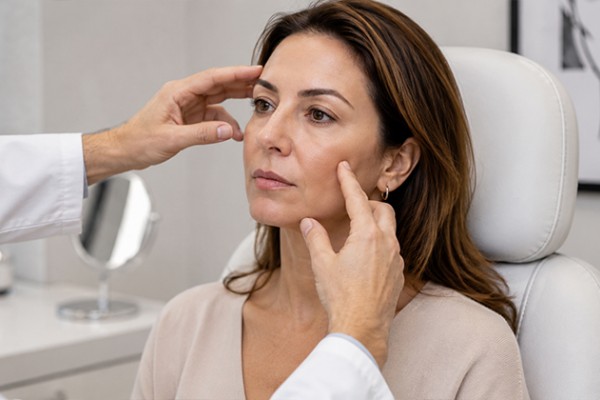
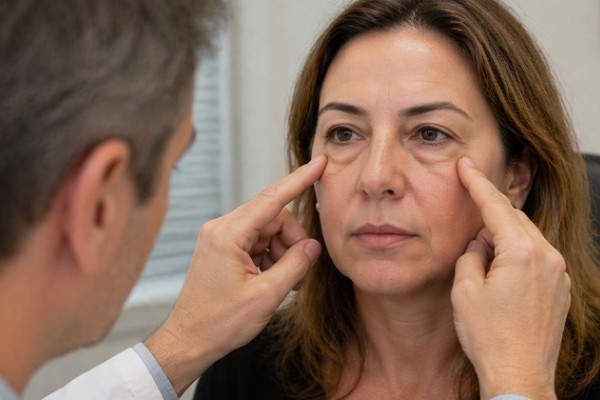
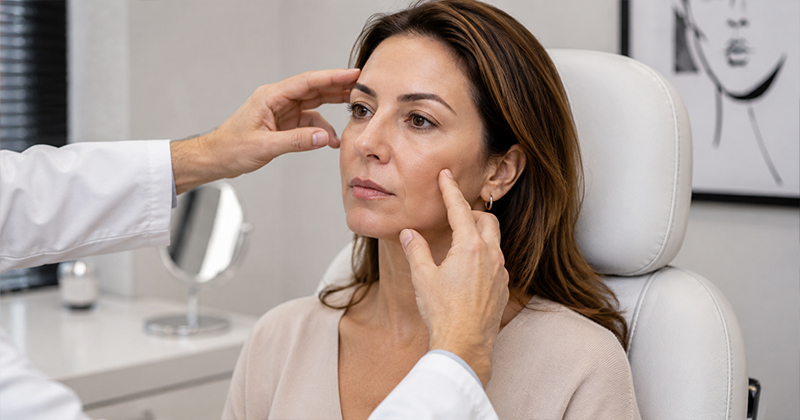
Lipofilling is a procedure in which fat tissue taken from the patient's own body is transferred to areas of the face where volume has been lost. Also known as facial fat injection, this method may be preferred to achieve a more balanced, natural, and refreshed appearance in areas such as the cheeks, temples, under-eye region, and around the mouth.
Facial aging is influenced not only by skin sagging but also by volume loss. In particular, when the cheeks become hollow, the temples lose volume, or the eye area develops a tired appearance, a person may look older, more tired, or more fatigued than they actually are. The main purpose of lipofilling is not to make the face look fundamentally different, but to restore lost volume in a controlled and anatomically appropriate manner.
For this reason, lipofilling is considered an important option, especially for patients who expect a natural-looking result. The goal is not to overfill the face, but to create smoother, more balanced, and more refreshed transitions between facial contours.
Is Facial Fat Injection Permanent?
Not all of the fat transferred to the face remains permanently; this is part of the biological nature of the procedure. During the early period, some of the injected fat may be absorbed by the body. However, fat cells that successfully establish a blood supply may remain for a long time. Therefore, the temporary swelling seen during the early period after lipofilling should be distinguished from the final result.
During the first few weeks, the face may appear fuller because of swelling. Over time, this swelling decreases and the remaining fat tissue settles more naturally into the facial contours. Longevity may vary depending on the patient's tissue characteristics, the area treated, the surgical technique, and changes in body weight.
For this reason, it is important to be patient when evaluating the result after lipofilling. Fullness seen during the early period does not always represent the permanent result; the main assessment should be made after swelling has decreased and the fat survival process has stabilized.
Is Lipofilling Different from Dermal Fillers?
Lipofilling and dermal filler treatments may be used for similar purposes, particularly to restore facial volume. However, there are structural and functional differences between the two methods.
- Material: Lipofilling uses the patient's own fat tissue, while ready-made fillers use externally produced filling materials.
- Volume requirement: For smaller, practical, and controlled volume adjustments, dermal filler treatments may be suitable.
- Longevity expectations: Lipofilling may be considered when natural and longer-lasting volume support is required across larger areas.
Therefore, there is no single answer to the question, “Is lipofilling or filler better?” The appropriate option should be determined according to the patient's facial structure, degree of volume loss, skin quality, and expectations.
Can Lipofilling Replace a Facelift?
Lipofilling can provide effective volume support; however, it does not correct significant sagging on its own. If the main concern is tissue laxity, loss of jawline definition, or neck sagging, surgical options such as a facelift may provide a more appropriate result.
In some patients, lipofilling can be planned together with facelift surgery. With this approach, sagging tissues can be repositioned to a more youthful level while areas that have lost volume can also be supported, providing a more balanced and comprehensive facial rejuvenation.
This distinction is particularly important because volume loss and sagging are not the same problem. If facial hollowing, loss of fullness, and a tired appearance are the main concerns, lipofilling may be beneficial. However, if the tissues have shifted downward, simply adding volume may not provide an adequate result.
Who Is a Suitable Candidate for Lipofilling?
Facial fat injection may be considered for people with structural or age-related facial volume loss. Common situations that may create this need include:
- Facial hollowing following rapid or significant weight loss
- Age-related volume loss in the temples and cheeks
- A naturally hollow appearance around the eyes and midface due to genetic facial structure
- A desire for softer and more refreshed transitions between facial contours
Facial volume loss and sagging may become more noticeable after rapid weight loss. For more detailed information on this subject, you can read our article about facial and body sagging after GLP-1-related weight loss.
However, not every facial concern can be treated with lipofilling. Skin quality, degree of sagging, overall facial proportions, and the patient's expectations should be evaluated together. This helps achieve a more natural result without adding excessive volume.
Where Is the Fat Tissue Harvested From?
Fat tissue used for lipofilling can be harvested from areas of the body where there is a relatively suitable amount of fat. The most commonly considered areas include:
- Abdomen
- Waist
- Hip area
- Inner thighs
The procedure is performed using special cannulas with a small-volume fat harvesting approach. For more information about fat removal and body contouring procedures, you can visit our liposuction page.
The harvested fat tissue is specially processed to make it suitable for use in the face. The aim is not to inject the harvested fat directly, but to prepare the fat appropriately and place it in the correct tissue plane and in the appropriate amount.
What Should Be Considered for a Natural Result?
The most important principle for achieving a natural result with lipofilling is to avoid overfilling the face. Excessive volume may create a swollen or artificial appearance. Therefore, the procedure should always be planned according to the overall proportions of the face.
Areas such as the cheeks, temples, eye area, and around the mouth each have different volume requirements. Injecting the same amount of fat into every area is not an appropriate approach. For a natural result, the entire face should be evaluated as a whole.
The objective is not to change the patient's face, but to achieve a healthier, more refreshed, and more balanced appearance.
Why Is Proper Planning Important?
Facial fat injection can provide natural and long-lasting volume support when performed for the correct indication. However, it should not be expected to solve every facial concern on its own. If volume loss is the main problem, lipofilling may be a suitable option; when sagging is also present, it may need to be considered together with surgical lifting procedures.
The main objective of planning is not to artificially overfill the face, but to restore lost tissue in a controlled manner and create a personalized, healthy, and refreshed facial appearance.
If you have facial volume loss, sagging, or a tired appearance, you can schedule an appointment through our contact page to determine the most suitable approach for you.
Frequently Asked Questions
Is lipofilling permanent?
Some of the transferred fat may be absorbed during the first few months. However, fat cells that successfully establish themselves within the facial tissues may remain for a long time. Longevity varies from person to person.
Should lipofilling or dermal fillers be preferred?
Ready-made fillers may be advantageous for smaller and more controlled volume requirements. If natural and longer-lasting volume support is desired across larger areas, lipofilling may be a more suitable option.
Is there swelling after facial fat injection?
Yes. During the early period, swelling, edema, and mild bruising may occur in both the donor and recipient areas. These findings generally decrease significantly during the first few weeks.
Is lipofilling a non-surgical procedure?
No. Because lipofilling involves both fat harvesting and fat transfer, it is a procedure that should be performed under surgical conditions. Depending on the extent of the procedure, local anesthesia, sedation, or general anesthesia may be considered.