Samsun Facial Aesthetics: A Natural and Holistic Rejuvenation Approach
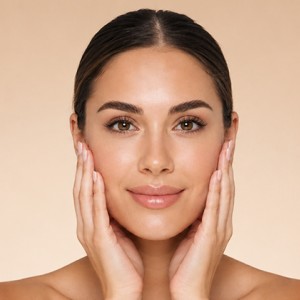
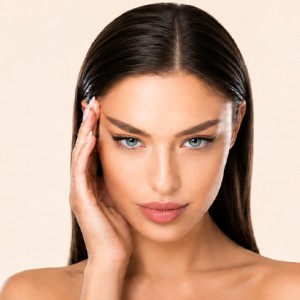
Facial aesthetics is a comprehensive set of personalized aesthetic applications aimed at organizing aging, volume loss, sagging, or proportional imbalances in the forehead, eye area, mid-face, jawline, and neck through surgical or non-surgical methods. The primary goal in Samsun facial aesthetics planning is to achieve a more rested, balanced, and natural appearance without changing the person's unique facial expression.
Facial aesthetics does not consist of a single procedure. While a facelift may be the primary need for some patients, eyelid surgery, neck aesthetics, brow lifting, fat injection, or non-surgical supportive applications may be more suitable for others. Therefore, for a successful result, the entire face must be evaluated together from both anatomical and aesthetic perspectives.
Personalized Facial Aesthetics Planning
- Natural and balanced appearance The goal in facial aesthetics is to obtain a more rested and harmonious appearance without changing the person's facial expression.
- Holistic facial analysis A more harmonious planning is made by evaluating the upper face, mid-face, lower face, and neck area together.
- Surgical and non-surgical options Surgical, non-surgical, or combined applications can be planned according to the patient's needs.
- Personalized approach Skin structure, tissue elasticity, facial bone structure, aging patterns, and expectations are evaluated together.
What is Facial Aesthetics?
Facial aesthetics covers surgical and medical aesthetic procedures aimed at correcting signs of aging, volume loss, skin laxity, and proportional inconsistencies in the facial area. These procedures are not based solely on stretching the skin; they rely on analyzing different layers together, such as muscle, fat tissue, connective tissue, bone support, and skin quality.
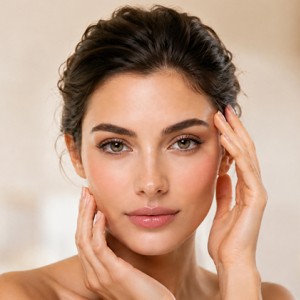
The goal in modern facial aesthetics is not to create an exaggerated or artificial appearance. With correct planning, it is aimed to preserve facial lines, reduce the tired expression, define the jawline, make the eye area look more vibrant, and improve overall face-neck harmony.
How is Facial Aesthetics Planning Done in Samsun?
When performing a facial aesthetics evaluation in Samsun, the patient's age, skin structure, tissue elasticity, facial bone structure, mimetic habits, previous procedures, and expectations are handled together. The same procedure is not applied to every patient; a surgical, non-surgical, or combined plan can be prepared according to needs.
During the examination process, the face is evaluated not as a single region, but within the relationship of the upper face, mid-face, lower face, and neck. Thus, it is ensured that an intervention in one region is harmonious with other facial areas.
Anatomical Zoning and Technical Approach in Facial Aesthetics
In facial aesthetics planning, different regions of the face are examined separately. This approach helps both in obtaining more natural results and in avoiding unnecessary procedures.
Upper Facial Aesthetics
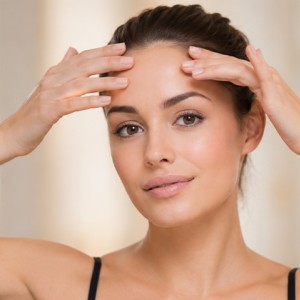
The upper face region plays an important role in making a person look tired, sad, harsh, or rested. Forehead lines, eyebrow position, eyelid excess, and bagging around the eyes can directly affect the facial expression.
Within the scope of upper facial aesthetics, the following procedures can be evaluated according to the patient's needs:
- Reduction of wrinkles and sagging appearance in the forehead area with forehead aesthetics.
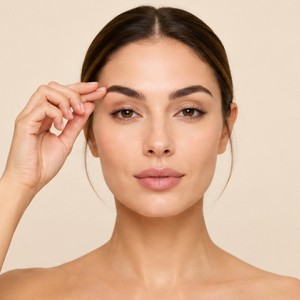
- Supporting the eyebrow position in accordance with facial proportions with brow lift aesthetics.
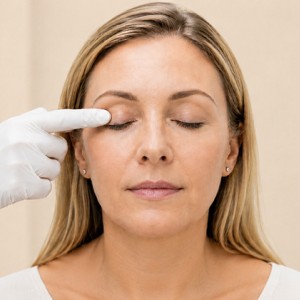
- Removing excess skin on the upper lid and the appearance of bagging on the lower lid with eyelid aesthetics.
- Achieving a more slanted and vibrant eye axis with almond eye aesthetics.
Mid-Facial Aesthetics
The mid-face region covers the cheekbones, cheek tissue, and the transition areas between the nose and the corners of the mouth. During the aging process, volume loss, downward displacement in the cheek tissue, and prominence in the nasolabial folds can be seen in this region.
Stretching the skin alone may not be sufficient in mid-facial aesthetics. Soft tissues, fat pads, and supportive facial layers must be positioned in the correct direction. In suitable patients, a more balanced and vibrant facial appearance can be targeted with mid-face lift, fat injection, or filler applications.
Lower Face and Neck Aesthetics
The lower face and neck area is one of the most important areas that determine the youth contour of the face. Fading of the jawline, sagging at the edge of the cheek, jowl formation, and loosening of the neck skin can cause the person to look older or more tired than they are.
The following procedures can be applied in lower face and neck aesthetics:
- Recovery of sagging in the cheek and jawline with a facelift.
- Correction of neck skin laxity and platysma bands with neck aesthetics.
- Reduction of local fat accumulations under the chin with jowl liposuction.
- Supporting the jawline projection with jawline filler and chin filler.
Differences Between Surgical and Non-Surgical Facial Aesthetics
Surgical and non-surgical methods in facial aesthetics respond to different needs. Surgical procedures are generally preferred in the presence of significant sagging, tissue laxity, and excess skin. Non-surgical methods, on the other hand, play a supportive role mostly in volume loss, fine wrinkles, skin quality, and early signs of aging.
Non-surgical applications should not be thought of as an alternative to surgical procedures. In suitable patients, fillers, Botulinum Toksin, mesotherapy, youth vaccines, and similar methods can provide a fresher appearance. However, surgical options can be more effective in individuals with advanced sagging or skin excess.
Surgical Facial Aesthetics
Can provide more effective and long-lasting results in the presence of significant sagging, tissue laxity, and excess skin.
Non-Surgical Facial Aesthetics
Can be planned as supportive for volume loss, fine wrinkles, skin quality, and early signs of aging.
Non-Surgical Facial Aesthetics Options
In patients who do not require surgical intervention or who want to support surgical results, non-surgical aesthetic applications can be evaluated. These procedures can be planned alone or in combination according to the person's needs.
- Botulinum Toksin: Helps in reducing mimetic wrinkles on the forehead, between the eyebrows, and around the eyes.
- Filler applications: Can be used to support areas with volume loss and to balance facial proportions.
- Under-eye light filler: Can be preferred for under-eye hollows and a tired expression appearance.
- Mesotherapy: Can be applied with ingredients aimed at supporting skin quality.
- Youth vaccine: Can be preferred to support the skin's moisture, brightness, and elasticity appearance.
- Liquid facelift: A more recovered appearance in facial lines can be targeted with filler applications.
Combined Facial Aesthetics
Facial aging is usually not limited to a single region. Since the eye area, cheeks, jawline, and neck change together, combined facial aesthetics can provide more balanced results in some patients.
For example, eyelid surgery, neck aesthetics, fat injection, or brow lifting can be planned together with a facelift. The goal in the combined approach is not to change each region separately, but to create a harmonious and natural rejuvenation effect across the entire face.
Why is a holistic approach important?
Instead of focusing on a single area in facial aesthetics, evaluating the balance across the entire face helps achieve more natural and harmonious results.
Who is Facial Aesthetics Suitable For?
Facial aesthetics can be evaluated for individuals with signs of aging, sagging, volume loss, a tired expression, or proportional imbalances on their face. However, the same method is not suitable for every patient. The most correct procedure should be determined according to the person's facial structure and expectations after the examination.
- Individuals with sagging in the cheek, jawline, or neck area.
- Patients with bagging around the eyes, drooping lids, or excess skin.
- People with volume loss and a tired expression on their face.
- Patients who want to make the jawline and neck contour more prominent.
- Individuals targeting a more natural and balanced appearance with surgical or non-surgical options.
Pre-Facial Aesthetics Evaluation
Before facial aesthetics, the patient's general health status, medications used, smoking habits, previous operations, and expectations are evaluated in detail. Skin quality, tissue elasticity, bone support, and the face's aging pattern play a decisive role in procedure selection.
At this stage, it is important for the patient to have realistic expectations. The goal in facial aesthetics is not to completely change the person's face, but to achieve a more rested and balanced appearance while preserving the natural facial character.
Post-Facial Aesthetics Recovery Process
The recovery process after facial aesthetics varies according to the procedure applied. While the return to social life is usually shorter after non-surgical procedures, edema, bruising, and sensitivity may continue for a while after surgical procedures.
After Non-Surgical Procedures
The return to social life is usually shorter. Depending on the type of procedure, mild redness, sensitivity, or edema may be seen.
After Surgical Procedures
Edema, bruising, and sensitivity may continue for a while. The final appearance becomes clearer over time as tissues settle and edema decreases.
Things to consider during the recovery process
It is important to follow the physician's recommendations, not to skip check-ups, to avoid smoking, and to protect the facial area from trauma.
Why is Natural Appearance Important in Facial Aesthetics?
A natural appearance in facial aesthetics is possible by preserving facial proportions and not changing the person's mimetic structure. Instead of applications that are overly stretched, exaggerated in volume, or change the facial expression, planning should be done according to the person's own facial structure.
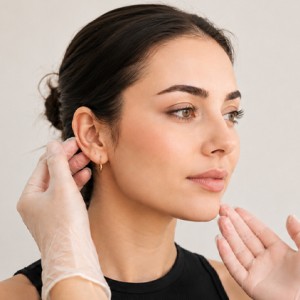
In procedures requiring incisions, hiding the scars as much as possible within natural folds, working correctly on tissue planes, and balancing the face-neck transition are important for a natural result.
What Do Samsun Facial Aesthetics Prices Depend On?
Samsun facial aesthetics prices may vary according to the type of procedure to be applied, the choice of surgical or non-surgical method, whether a combined procedure is required, the scope of the operation, and the patient's personal needs.
Since facial aesthetics is planned individually, clear price information can only be determined after the examination. The cost of a procedure to be performed on a single region will not be the same as a combined plan covering the face, neck, and eye area together.
Frequently Asked Questions About Samsun Facial Aesthetics
Is facial aesthetics a single surgery?
No. Facial aesthetics is a wide planning area covering facelift, neck aesthetics, eyelid surgery, brow lift, fat injection, filler, and other non-surgical applications.
Is a natural appearance possible after facial aesthetics?
Yes. For a natural appearance, facial proportions, mimetic structure, skin quality, and the direction of tissues must be evaluated together. The goal is not to change the person's face, but to provide a more rested and balanced appearance.
Who is non-surgical facial aesthetics suitable for?
Non-surgical facial aesthetics is generally suitable for people who do not have advanced sagging, but rather have volume loss, fine wrinkles, skin quality issues, or early signs of aging.
Are facelift and facial aesthetics the same thing?
A facelift is one of the surgical procedures applied within the scope of facial aesthetics. Facial aesthetics, on the other hand, can include eyelid surgery, neck aesthetics, brow lifting, fat injection, and non-surgical applications in addition to a facelift.
How is the most suitable method for facial aesthetics determined?
The most suitable method is determined by evaluating the patient's facial anatomy, tissue quality, signs of aging, general health status, and expectations. Therefore, the personal examination process is important.
Is facial aesthetics permanent?
Surgical procedures can provide long-lasting results; however, the aging process continues. The effect of non-surgical procedures lasts for periods varying according to the method used and may require repetition at certain intervals.
Will there be scars after facial aesthetics?
In surgical procedures, incision sites are usually tried to be placed within the scalp, around the ears, or in natural folds. The visibility of scars varies according to the person's skin structure, the technique applied, and the recovery process.
Contact and Appointment
You can contact our clinic to get detailed information about Samsun facial aesthetics, learn about the surgical or non-surgical options suitable for you, and create a personalized evaluation process.
If you wish, you can create an appointment request through our site, and also examine our facelift, eyelid surgery, and neck aesthetics pages, which are frequently evaluated in facial rejuvenation planning.
Plan your facial aesthetics process in Samsun with a natural, balanced, and personalized approach.
You can contact us to get detailed information about facial aesthetics, plan an examination, and learn about the surgical or non-surgical options that are best for you.