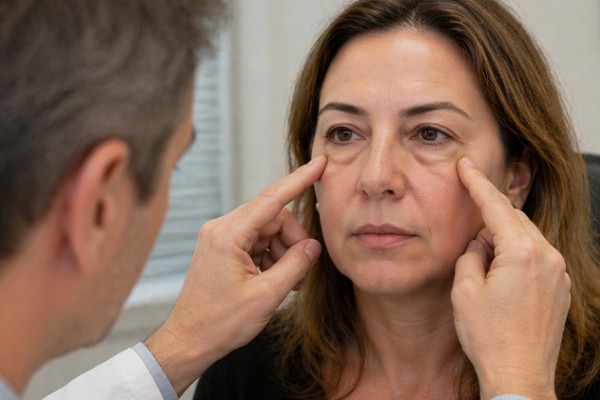

The Relationship Between Rhinoplasty and Breathing
Rhinoplasty is often known as a cosmetic surgical procedure performed to improve the external appearance of the nose. However, the nose is not only an aesthetic structure located at the center of the face; it is also an organ that plays an important role in breathing. Therefore, when planning rhinoplasty, not only the nasal bridge, nasal tip, and facial harmony but also the internal nasal airway should be evaluated.
The answer to the question, “Can rhinoplasty improve breathing?” depends on the cause of the patient's breathing problem. If nasal obstruction is caused by anatomical factors such as a deviated septum, structural narrowing inside the nose, or nasal valve problems, these functional issues may also be addressed during rhinoplasty planning. However, it would not be accurate to say that every rhinoplasty procedure automatically improves breathing.
For this reason, both aesthetic expectations and breathing complaints should be evaluated together during the preoperative examination. While changing the external appearance of the nose, it is important to preserve internal nasal support, avoid narrowing the airway, and correctly identify any existing functional problems.
Are Rhinoplasty and Septoplasty the Same Procedure?
Rhinoplasty and septoplasty are two different surgical procedures that may be related to each other but do not have the same meaning. Rhinoplasty is nasal aesthetic surgery that reshapes the external appearance of the nose and, in some cases, its structural support. Aesthetic aspects such as the nasal bridge, nasal tip, nostrils, nasal length, and harmony with the face are within the scope of rhinoplasty.
Septoplasty, on the other hand, is a surgical procedure aimed at correcting the septum, the cartilage and bone structure inside the nose that divides the nasal cavity into two sides. If a deviated septum narrows the nasal airway, the patient may experience unilateral or bilateral nasal obstruction. In such cases, septoplasty may be planned to improve breathing function.
While rhinoplasty is primarily concerned with the shape and structural balance of the nose, septoplasty focuses on a deviated septum that affects the internal nasal airway. In some patients, septoplasty alone may be sufficient, while in others, rhinoplasty and septoplasty may be considered within the same surgical plan because both aesthetic expectations and functional problems are present.
What Can Cause Nasal Obstruction?
Nasal obstruction is not always related to the external shape of the nose. Even a nose that appears straight from the outside may have structural or functional problems inside that make airflow difficult. Therefore, the patient's breathing complaints should be evaluated in detail before rhinoplasty.
Some conditions that may make breathing difficult include:
- Deviated septum
- Narrowing of the internal nasal airway
- Weakness or collapse in the nasal valve area
- Enlarged inferior turbinates
- Previous trauma or old nasal fractures
- Structural changes resulting from previous nasal surgeries
- Non-surgical causes such as allergic rhinitis or chronic swelling inside the nose
The nasal valve is one of the narrowest and most functionally important areas for airflow inside the nose. Structural weakness or collapse in this area may contribute to breathing difficulties. The turbinates are structures inside the nose that help warm and humidify inhaled air; excessive enlargement may make airflow more difficult in some patients.
These causes cannot all be treated in the same way. For example, a deviated septum may be evaluated surgically, whereas conditions such as allergic rhinitis or temporary swelling inside the nose may require medical treatment or an ear, nose, and throat evaluation. Chronic sinusitis or recurrent sinus complaints may also require a separate ENT evaluation from rhinoplasty.
How Is a Breathing Problem Evaluated Before Rhinoplasty?
In patients who have breathing complaints before rhinoplasty, evaluating only the external appearance of the nose is not sufficient. The internal nasal airway, septum, nasal valve area, turbinates, and any history of previous trauma or surgery should be evaluated together.
During the examination, particular attention may be given to:
- Whether nasal obstruction is unilateral or bilateral
- Whether there is a significant septal deviation
- Whether there is narrowing or loss of support in the nasal valve area
- The size of the turbinates
- History of previous nasal fracture or trauma
- Previous nasal surgeries
- History of allergies, sinusitis, or intermittent nasal obstruction
- Sleeping with the mouth open at night or difficulty breathing during exercise
When necessary, an additional ear, nose, and throat evaluation or further examinations may be requested. The aim is to identify the actual cause of the patient's breathing complaint and correctly distinguish between surgical and non-surgical treatment options.
Can Rhinoplasty and Septoplasty Be Performed During the Same Surgery?
In suitable patients, rhinoplasty and septoplasty may be considered within the same surgical plan. This approach is generally referred to as septorhinoplasty. In such planning, the aim is to improve the external appearance of the nose while also addressing problems such as a deviated septum that affect the internal nasal airway.
However, this combination is not necessary for every patient. If the patient has only aesthetic concerns and no breathing problem, septoplasty may not be required. Conversely, if a patient has a breathing problem caused only by a deviated septum but does not want to change the appearance of the nose, septoplasty alone may be planned.
This distinction is important because performing unnecessary procedures or making an incomplete assessment during nasal surgery would not be appropriate. The patient's aesthetic expectations, breathing complaints, internal nasal examination findings, and external nasal structure should all be evaluated together.
For more comprehensive information about the overall rhinoplasty process, you can also read our article on what you need to know about rhinoplasty.
How Is the Balance Between Aesthetic Appearance and Breathing Maintained?
A successful rhinoplasty result should not be evaluated solely by how attractive the nose looks. While the nose should appear natural, balanced, and harmonious with the face, preserving breathing function is also important. Therefore, when planning aesthetic goals such as reducing the nose, reshaping the nasal tip, or correcting the nasal bridge, the internal support structures of the nose should not be overlooked.
In particular, excessive narrowing of the nasal bridge, weakening the support of the nasal sidewalls, or making excessive changes to the nasal tip structure may increase airway problems in some patients. For this reason, rhinoplasty planning should maintain a balance between aesthetic appearance and functional structure.
In a natural rhinoplasty approach, the primary goal is not simply to achieve a “beautiful nose.” The aim is to create a nasal shape that is harmonious with the face, preserves the person's individual characteristics, and maintains functional integrity. For more detailed information on this subject, you can read our article on how natural rhinoplasty is performed.
Does the Open or Closed Technique Determine the Breathing Outcome?
The choice between open and closed rhinoplasty does not, by itself, determine the breathing outcome. What matters is creating a surgical plan appropriate for the patient's nasal structure and specific problem. In some patients, the open technique may provide a wider field of view, while in others, the closed technique may be sufficient.
From a breathing perspective, the key factors are the correct evaluation of septal deviation, nasal valve support, the internal nasal airway, and the external nasal structure. Therefore, generalizations such as “the open technique improves breathing better” or “the closed technique does not affect breathing” are not accurate.
The choice of technique should be determined according to the patient's nasal structure, aesthetic expectations, functional problems, and examination findings. To examine the differences between the two techniques in more detail, you can read our article open rhinoplasty or closed rhinoplasty?
When Does Breathing Improve After Rhinoplasty?
During the early period after rhinoplasty, temporary nasal obstruction may occur due to internal swelling, crusting, edema, and the healing process. This does not necessarily mean that the surgery was unsuccessful. Particularly during the first few weeks, airflow may feel variable while the tissues inside the nose are healing.
Even if a deviated septum or internal nasal narrowing has been corrected during surgery, the patient should not expect completely comfortable breathing during the first few days. Healing of the internal nasal tissues, reduction of swelling, and resolution of crusting may take time. This process varies from person to person.
If nasal obstruction persists for a prolonged period after surgery, if significant unilateral airflow difficulty develops, or if breathing complaints progressively worsen, medical evaluation should not be delayed. For more information about swelling and edema during recovery, you can read our article on swelling and edema after rhinoplasty.
Can Every Nasal Obstruction Be Corrected with Rhinoplasty?
Not every nasal obstruction can be corrected with rhinoplasty. This is because the cause of nasal obstruction may not be limited to the shape of the nose or a deviated septum. Allergic rhinitis, sinusitis, swelling of the nasal mucosa, enlarged turbinates, or environmental factors may also cause nasal obstruction.
Therefore, the patient's complaints should be properly analyzed before rhinoplasty. The same surgical plan is not applied to every patient who says, “I cannot breathe through my nose.” Some patients may require a surgical solution, while others may first need medical treatment, allergy assessment, or an ear, nose, and throat examination.
In appropriately selected patients and with proper planning, rhinoplasty can allow aesthetic appearance and nasal function to be evaluated together. However, the extent to which surgery can correct a particular problem should be discussed realistically after examination.
Why Should Aesthetic and Functional Nasal Planning Be Performed Together?
The most accurate answer to the question of whether rhinoplasty can improve breathing can be given by evaluating both the internal and external structures of the patient's nose together. Aesthetic appearance and function should not be considered independently. While changing the external shape of the nose, internal support structures should be preserved and, when necessary, functional problems should be addressed within the same surgical plan.
A well-planned rhinoplasty evaluates the patient's facial proportions, nasal skin, cartilage structure, internal nasal airway, septal condition, and breathing complaints together. Information such as previous trauma, nasal fracture, surgery, allergies, sinusitis, unilateral obstruction, or sleeping with the mouth open at night may also affect the surgical plan.
For this reason, patients considering rhinoplasty should clearly discuss their breathing complaints as well as their aesthetic expectations during the examination. This allows for a more comprehensive evaluation that considers nasal function rather than focusing solely on changing appearance.
Can Rhinoplasty Improve Breathing? In Brief
Rhinoplasty may help improve breathing problems in some patients; however, whether this is possible depends on the cause of the obstruction. Problems such as a deviated septum, nasal valve dysfunction, or structural airway narrowing may be addressed within the surgical plan, while causes such as allergies or mucosal swelling may require different treatments.
Therefore, in patients with breathing complaints, not only the external appearance of the nose but also the internal nasal airway should be considered an important part of surgical planning.
The most appropriate approach is to evaluate aesthetic appearance and nasal function together and determine after examination which problems can be corrected surgically.
Frequently Asked Questions
Does rhinoplasty definitely improve breathing?
No. It cannot be said that rhinoplasty will definitely improve breathing in every patient. If the breathing problem is caused by a deviated septum, internal nasal narrowing, or structural support problems, these conditions may be included in the surgical plan. However, different treatments may be required for causes such as allergies, sinusitis, or mucosal swelling.
What is the difference between rhinoplasty and septoplasty?
Rhinoplasty is nasal aesthetic surgery that reshapes the appearance of the nose and certain structural features. Septoplasty is a surgical procedure aimed at improving the airway by correcting a deviated septum inside the nose. In suitable patients, both procedures may be performed within the same surgical plan.
Can a deviated septum be corrected during rhinoplasty?
In suitable patients, a deviated septum may be addressed during rhinoplasty surgery. However, whether this is necessary should be determined through examination. Septoplasty is not required in every rhinoplasty procedure.
What is the nasal valve?
The nasal valve is one of the narrowest and most functionally important areas for airflow inside the nose. Narrowing, loss of support, or collapse in this area may cause breathing difficulties in some patients.
Can enlarged turbinates affect breathing?
Yes. Enlargement of the turbinates can reduce airflow inside the nose. However, the choice of treatment varies depending on the cause and degree of enlargement, and surgery is not required in every patient.
Is nasal obstruction normal during the first few weeks after rhinoplasty?
During the first few weeks, temporary nasal obstruction may occur due to internal swelling, crusting, and the healing process. This is often part of normal recovery. However, if the obstruction progressively worsens or there is significant unilateral breathing difficulty, medical evaluation is required.
Does the open or closed technique affect the breathing outcome?
The open or closed technique alone does not determine the breathing outcome. What matters is creating a surgical plan appropriate for the patient's nasal structure, septal condition, airway narrowing, and aesthetic expectations.
How long does it take for breathing to improve after rhinoplasty?
The duration varies from person to person. During the early period, nasal obstruction may be experienced because of swelling and edema. As the tissues heal and internal nasal swelling decreases, breathing may become more comfortable. The progress of recovery should be evaluated during follow-up appointments.