What to Expect in the First Few Days After Eyelid Surgery
Recovery after eyelid surgery is one of the most common concerns for people considering the procedure. Also known as blepharoplasty, eyelid surgery can be performed on the upper or lower eyelids. How long it takes for the eye area to look natural again, when swelling subsides and when patients can return to their daily routines varies from person to person.
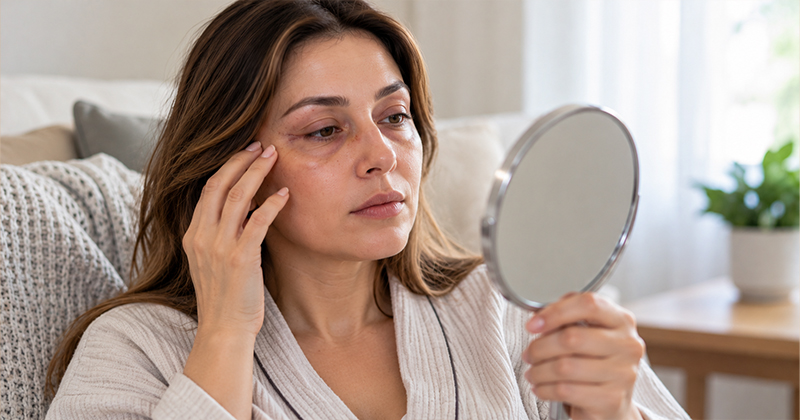
During the first few days, swelling, bruising, tenderness and a mild feeling of tightness may develop around the eyes. Some patients may also experience temporary dry eyes, watering or blurred vision. The duration and severity of these symptoms depend on the surgical technique, individual tissue characteristics and the body's healing response.
The initial recovery period after blepharoplasty generally progresses over the first few weeks. However, swelling reduction, incision healing and the gradual development of the final appearance do not all happen at the same time.
For this reason, the appearance of the eyelids immediately after surgery should not be considered the final result. Patients should follow their surgeon's aftercare instructions and attend scheduled follow-up appointments.
What Is the Recovery Timeline After Blepharoplasty?
Recovery after eyelid surgery generally occurs in stages. Swelling and tenderness are more noticeable during the first few days, while the appearance of the eye area gradually changes over the following weeks. The timeline below provides a general guide, but recovery is different for every patient.
First 24–48 Hours
Immediately after surgery, patients may experience swelling, bruising, mild discomfort and tightness around the eyelids. The eye area may temporarily appear fuller or slightly asymmetrical.
Applying cold compresses as instructed by the surgeon, keeping the head slightly elevated while resting and taking prescribed medications may help improve comfort during the early recovery period.
It is important to avoid rubbing the eyes, putting pressure on the surgical area and engaging in strenuous physical activity. Unexpectedly severe pain or significant changes in vision should not be considered normal postoperative symptoms.
First Week
Swelling and bruising around the eyes may continue throughout the first week. In some patients, swelling increases during the first few days before gradually beginning to subside.
Mild tenderness, pinkness along the incision line and a feeling of tightness when opening or closing the eyes may occur. Depending on the surgical technique and the type of sutures used, a follow-up appointment or suture removal may be scheduled during this period or shortly afterwards.
Minor differences in appearance may be related to swelling. However, rapidly increasing swelling, particularly on one side, or swelling accompanied by severe pain requires prompt medical assessment.
Second Week
By the second week, noticeable bruising and swelling begin to improve in many patients. As the eye area starts to look more natural, returning to social activities and light daily routines may become easier.
However, mild swelling, tenderness or pinkness around the incision may still be present. Being able to resume daily activities does not mean that the tissues have completely healed.
First Few Months
After the initial weeks, more subtle changes around the eyes continue to improve. Scar maturation, tissue adjustment and the development of the final appearance may take several months.
Recovery may differ in patients who undergo both upper and lower eyelid surgery. Regular follow-up appointments allow the healing process to be assessed according to each patient's individual needs.
How Long Do Swelling and Bruising Last After Eyelid Surgery?
Swelling and bruising after blepharoplasty are part of the body's natural healing response to surgery. Because the skin around the eyes is particularly thin, these changes can be more noticeable than in other areas of the face.
In many patients, a significant amount of swelling and bruising may improve within approximately 10–14 days. However, mild residual swelling can last longer. The extent of surgery, individual healing characteristics and the technique used can all influence recovery time.
Swelling around the eyes may be more noticeable in the morning, and its appearance can change throughout the day. However, new, pronounced or progressively worsening swelling should not be assumed to be part of normal recovery.
As swelling decreases, the new eyelid contours become easier to see. Even at this stage, however, the final result may not yet be fully apparent.
Is Recovery Different for Upper and Lower Blepharoplasty?
Upper and lower blepharoplasty target different anatomical areas, so postoperative symptoms and recovery patterns may vary.
Recovery After Upper Blepharoplasty
Upper blepharoplasty generally involves assessing and addressing excess skin and, when necessary, other tissues of the upper eyelid. After surgery, patients may experience swelling, tenderness along the incision and temporary tightness when opening or closing their eyes.
The incision is usually positioned within the natural upper eyelid crease. Its visibility may gradually change as the wound heals and the scar matures.
Recovery After Lower Blepharoplasty
Lower blepharoplasty involves evaluating under-eye bags, the position of fatty tissue, skin characteristics and the supporting structures of the lower eyelid.
After surgery, bruising may extend towards the cheeks, and swelling beneath the eyes may persist for some time. Some patients may experience temporary tightness, dryness or excessive tearing.
When both upper and lower eyelids are treated together, postoperative care and follow-up may be more extensive. Recovery time cannot be determined solely by the area being treated.
When Are Stitches Removed After Blepharoplasty?
The timing of suture removal after eyelid surgery depends on the surgical technique and the type of suture material used. Some stitches dissolve naturally, while others need to be removed by the surgeon.
Stitches that require removal are generally assessed within the first one to two weeks after surgery. However, the exact timing should always be determined by the operating surgeon.
Patients should avoid touching or pulling at the stitches, picking at scabs or interfering with the incision. Wound care should be carried out according to the instructions provided.
If increasing redness, discharge suggestive of infection or unexpected tenderness develops around the incision, the healthcare team should be contacted.
When Can You Return to Work and Daily Activities After Eyelid Surgery?
The time needed to return to work after blepharoplasty depends on the extent of the procedure, individual healing and the physical demands of the patient's job.
Someone working at a desk may be able to return sooner than someone whose job involves strenuous physical activity. Many patients may consider returning to work and social activities within approximately one to two weeks.
However, this is not a fixed recovery period. Visible bruising, visual comfort, medications and the surgeon's recommendations should all be taken into account.
Using Computers and Mobile Phones
During the first few days, prolonged screen use may increase eye dryness or discomfort in some patients. Taking regular breaks and following the recommended eye care routine may help.
When Can You Drive Again?
Reduced swelling alone does not mean it is safe to drive. Patients should have comfortable, clear vision, should not be taking medication that affects their reactions and should follow their surgeon's advice.
Driving should be avoided if temporary blurred vision or difficulty opening and closing the eyes is present.
Exercise and Physical Activity After Eyelid Surgery
During the early recovery period, heavy lifting, intense exercise and physically demanding activities may increase swelling around the eyes or the risk of bleeding.
Returning to light daily activities is not the same as resuming running, gym workouts, weight training or swimming.
Patients should avoid movements that increase pressure around the surgical area, activities that cause excessive sweating and exercises that have not yet been approved by their surgeon.
Returning to swimming pools, saunas and strenuous exercise should follow an individualized postoperative plan. Feeling well does not necessarily mean that the tissues have healed sufficiently for every physical activity.
Are Dry Eyes and Excessive Tearing Normal After Blepharoplasty?
Temporary dry eyes, irritation, excessive tearing and sensitivity to light may occur after eyelid surgery. Changes in eyelid movement, postoperative swelling and the healing process can contribute to these symptoms.
Patients who experienced dry eyes before surgery should inform their surgeon during the consultation. Existing ocular surface conditions may influence both surgical planning and postoperative care.
If necessary, the doctor may recommend lubricating eye drops or appropriate eye ointments. Patients should not begin using antibiotics, eye drops or other treatments without medical advice.
Severe eye pain, sudden changes in vision or significant difficulty closing the eye require prompt medical assessment.
When Do Blepharoplasty Scars Become Less Noticeable?
The appearance of scars after eyelid surgery depends on the surgical technique, the area treated and individual wound-healing characteristics.
During upper blepharoplasty, the incision is usually placed within the natural eyelid crease. For lower blepharoplasty, suitable patients may undergo surgery through an incision just beneath the eyelashes or on the inner surface of the eyelid.
During the early healing period, the incision may appear pink, slightly firm or tender. As the tissues heal, scars may gradually become less noticeable. However, scar maturation can take several months.
No surgical procedure can guarantee completely scar-free healing. Skin characteristics, individual healing, sun protection and postoperative care can all affect the final appearance of scars.
Cosmetic products, scar creams or other treatments should not be applied to the incision without the surgeon's approval.
How Can You Support Recovery After Eyelid Surgery?
The most important part of recovery after blepharoplasty is following the personalized aftercare instructions provided by the surgeon.
General recommendations during recovery include:
- Applying cold compresses as directed by the surgeon.
- Keeping the head slightly elevated while resting during the first few days.
- Avoiding rubbing the eyes or putting pressure on the surgical area.
- Using prescribed medications and eye care products as instructed.
- Protecting the eyes appropriately from sunlight and wind.
- Obtaining medical approval before resuming eye makeup or contact lens use.
- Avoiding smoking.
- Postponing strenuous physical activities for the period recommended by the surgeon.
- Attending all scheduled follow-up appointments.
These recommendations are intended as general information. Individual aftercare instructions may differ depending on eye health, the surgical technique and the progress of healing.
When Should You Seek Medical Attention After Eyelid Surgery?
Mild discomfort, swelling and bruising can occur after surgery. However, certain symptoms fall outside the expected recovery process and may require urgent medical assessment.
Particular attention should be paid to the following symptoms:
- Sudden loss of vision or significant deterioration in eyesight.
- Severe or rapidly increasing eye pain.
- Rapidly developing, pronounced swelling, particularly around one eye.
- Uncontrolled bleeding.
- Increasing redness, warmth or discharge suggestive of infection.
- Significant difficulty closing the eye or severe discomfort affecting the eye surface.
Sudden vision loss, rapidly worsening vision or severe eye pain require emergency medical assessment. Patients experiencing these symptoms should not wait for a routine follow-up appointment and should seek emergency medical care immediately.
Other unexpected or progressively worsening symptoms should also be reported to the surgical team.
When Will Your Eyes Look Natural After Blepharoplasty?
A more rested and balanced appearance around the eyes develops gradually as the tissues heal following blepharoplasty.
As swelling subsides, the new eyelid contours become easier to assess. However, changes along the incision, mild residual swelling and ongoing tissue healing mean that the final appearance may take several months to develop.
The extent of lower eyelid surgery, existing tissue characteristics and the individual's healing response can all influence this timeline.
Postoperative assessment should focus not only on appearance but also on comfortable eyelid closure, protection of the eye surface and a result that complements the patient's natural facial expression.
To learn more about when eyelid surgery may be recommended and the differences between upper and lower eyelid concerns, read our article on why blepharoplasty is performed.
How Is Recovery Planned After Blepharoplasty?
Before surgery, the patient's history of dry eyes, medications, skin characteristics, daily habits and the extent of the planned procedure are assessed to develop an appropriate follow-up plan. Understanding when to return to work, how to care for the eyes, which physical activities to avoid and when follow-up appointments will take place helps patients prepare for recovery with realistic expectations.
For more detailed information about upper and lower eyelid procedures and surgical assessment, visit our blepharoplasty service page.
Frequently Asked Questions
How long does recovery take after blepharoplasty?
Initial recovery generally progresses significantly within one to two weeks. However, complete reduction of mild swelling, scar maturation and the development of the final appearance may take several months.
When is swelling at its worst after eyelid surgery?
Swelling is usually most noticeable during the first few days after surgery. In some patients, it may increase during the first 24–48 hours. Sudden or progressively worsening swelling should be assessed by a doctor.
When can I return to work after eyelid surgery?
Many patients may consider returning to work within approximately one to two weeks. However, the extent of surgery, job requirements, visual comfort and individual recovery all affect this timeline. The surgeon's recommendations should guide the decision.
When are stitches removed after blepharoplasty?
The timing depends on the surgical technique and suture material. Stitches that need removal are generally assessed within the first one to two weeks. Dissolvable stitches follow a different process.
Can blepharoplasty cause dry eyes?
Yes. Temporary dryness, irritation and excessive tearing may occur after surgery. Patients with pre-existing dry eyes should have this condition assessed before surgery. Persistent or worsening symptoms require medical review.
How long does bruising last after eyelid surgery?
In many patients, most bruising improves within approximately 10–14 days. However, the time required for bruising to disappear completely depends on individual healing characteristics and the procedure performed.
When can I wear makeup after blepharoplasty?
Eye makeup should only be resumed once the incision has healed sufficiently and the surgeon has approved it. Applying cosmetics too early may irritate the surgical area or increase the risk of infection.
When will I see the final results of blepharoplasty?
As swelling decreases during the first few weeks, the new eyelid contours become more visible. However, tissue healing and scar maturation may continue for several months. The final result should be assessed during individualized follow-up appointments.