
Why Are Counterfeit and Illegally Sourced Botulinum Toxin Products Dangerous?
Botox treatments are widely used today to reduce facial wrinkles and treat teeth clenching, excessive sweating and various medical conditions. However, the safety of these treatments depends not only on the experience of the practitioner but also on the authenticity and regulatory approval of the botulinum toxin product and the conditions under which it is administered.
In recent years, unlicensed, counterfeit and illegally sourced botulinum toxin products have become a significant public health concern worldwide. The use of these products can lead to health problems ranging from unexpected side effects to severe muscle weakness and botulinum toxin poisoning, known as botulism.
Botulinum toxin is not an ordinary cosmetic product but a medication with potent biological effects. Therefore, before undergoing treatment, patients should check the source of the product, its regulatory approval status in Türkiye and the healthcare facility where the procedure will be performed.
What Is Botulism? How Does Botox Poisoning Occur?
Botulism is a rare but potentially life-threatening medical condition that occurs when botulinum toxin blocks communication between nerves and muscles.
When botulinum toxin is administered for medical purposes at appropriate doses and into the correct anatomical areas, it produces controlled muscle relaxation. However, serious systemic effects may develop if the toxin spreads unexpectedly, an excessive dose is administered or products with uncertain ingredients and potency are used.
Commonly referred to as “Botox poisoning” or “botulinum toxin poisoning,” this condition may be medically classified as treatment-related iatrogenic botulism.
However, not every side effect experienced after Botox treatment indicates botulism. Local side effects must be distinguished from serious symptoms caused by the toxin spreading beyond the injection site.
What Are the Symptoms of Botox Poisoning and Botulism?
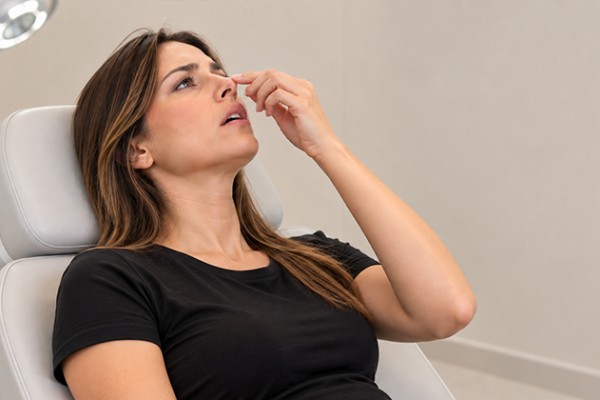
Various symptoms may develop if the effects of botulinum toxin are stronger than expected or if the toxin spreads beyond the treatment area.
Symptoms to watch for when botulism is suspected include:
- Significant eyelid drooping and double vision
- Speech difficulties and changes in voice
- Difficulty swallowing
- Generalized muscle weakness
- Weakness in the neck muscles
- Difficulty breathing
These symptoms may develop within hours, days or, in some cases, weeks after treatment. The onset and severity of symptoms may vary from person to person.
Difficulty swallowing or breathing, in particular, requires emergency medical assessment. Patients should not wait for these symptoms to resolve on their own.
What Is the Difference Between Counterfeit, Illegally Sourced and Unlicensed Botox Products?
Not all botulinum toxin products are the same. Products may differ in their manufacturing technology, biological potency, dosage units, purity and formulation.
For this reason, product authenticity, regulatory approval status and supply channels are important factors in treatment safety.
Counterfeit Botulinum Toxin Products
Counterfeit botulinum toxin products are presented as genuine medications but contain misleading information about their identity or composition. Products whose origins cannot be verified should also be carefully assessed for the possibility of counterfeiting.
Packaging that appears genuine does not prove that a product is reliable or that it comes from a legitimate supply chain. The presence of a QR code or serial number on the packaging alone does not guarantee product authenticity.
Unlicensed and Illegally Sourced Botulinum Toxin Products
Botulinum toxin products that have not been approved in Türkiye or have been obtained outside the legal supply chain may pose risks to patient safety.
There is an important distinction here: not all unlicensed products are necessarily counterfeit. However, the fact that a product is used in another country does not mean that it is approved or can legally be administered in Türkiye.
What Are the Risks of Counterfeit and Unlicensed Botox Products?
Products that are unlicensed in Türkiye, counterfeit or obtained through unauthorized supply channels may carry the following risks:
- Inability to verify the actual ingredients and biological potency of the toxin
- Differences between the dosage stated on the label and the actual biological potency
- Inappropriate storage and transportation conditions
- Inability to verify product authenticity and trace its supply chain
- Unexpected systemic effects of the toxin
- Difficulty identifying the source of the product in the event of serious complications
These risks demonstrate why botulinum toxin products should not be evaluated solely on the basis of their brand name, packaging or price.
Why Is It Important to Use Genuine Botox Products Approved in Türkiye?
Obtaining a genuine product approved in Türkiye through authorized distribution channels is important for tracing its origin, serial number, expiration date and, when necessary, product recall information.
Patients should ask not only about the cost of treatment but also which product is being used, whether it is approved in Türkiye and which healthcare facility will perform the procedure.
Using a genuine and approved product is an important safety requirement. In addition, the correct dosage, appropriate anatomical treatment area and administration conditions must also be considered.
What Should You Consider for Safe Botox Treatment?
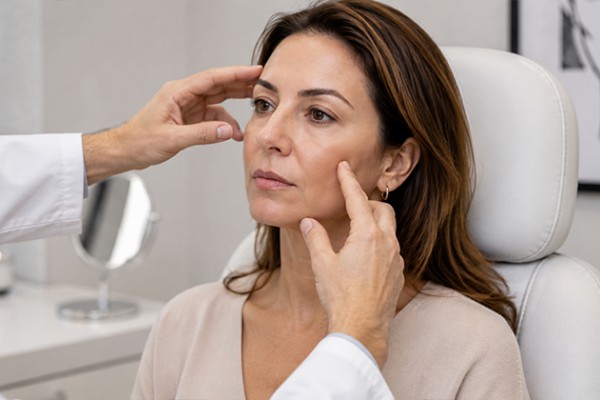
One of the fundamental aspects of Botox safety is ensuring that the procedure is performed by an authorized physician in a licensed healthcare facility with appropriate treatment conditions.
Choosing a well-established and trusted medical practice may be important for patients. However, a clinic's reputation or large social media following does not, by itself, guarantee safety.
Before undergoing treatment, patients should find out the answers to the following questions:
- Is the procedure performed by an authorized physician?
- Is the medical practice or clinic licensed and compliant with applicable regulations?
- Is the botulinum toxin product approved in Türkiye?
- Can the product's original packaging, serial number and expiration date be verified?
- Is the patient informed about potential complications?
- Is there a physician the patient can contact and a follow-up system in place if a problem develops after treatment?
These questions can help patients make more informed decisions about the product and healthcare facility.
To learn more about how the procedure is planned, you can visit our page on Botox treatments.
Are Very Cheap Botox Treatments Safe?
Botox prices may vary depending on the product used, the muscles being treated, the required dosage and the extent of the procedure.
However, when treatments are offered at unusually low prices compared with prevailing market rates, it is important to question the source and regulatory approval status of the product being used.
A low price alone does not indicate that a product is counterfeit. Similarly, a high price does not guarantee the use of a genuine product or safe treatment conditions.
The decision to undergo Botox treatment should not be based solely on price. Product reliability, the physician's qualifications and treatment conditions should be evaluated together.
How Can You Distinguish Normal Botox Side Effects from Symptoms of Poisoning?
Mild tenderness, temporary bruising or other local side effects may occur at the injection site after Botox treatment.
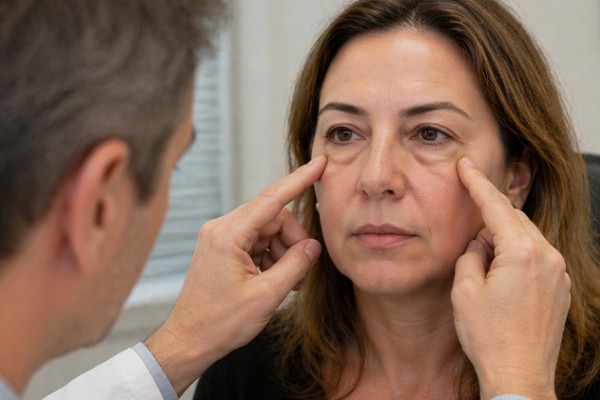
Some patients may experience localized problems, such as eyelid drooping, when muscles near the treatment area are affected. These effects alone do not necessarily indicate systemic botulism.
However, symptoms such as generalized muscle weakness, double vision, difficulty speaking or swallowing, and breathing difficulties should not be regarded as routine post-treatment side effects.
If symptoms are severe or progressively worsening, patients should not wait for their routine follow-up appointment.
For more information about the normal duration of Botox effects, read our article explaining how long Botox lasts.
What Should You Do If Botox Poisoning Is Suspected?
Patients with suspected botulism should seek emergency medical care without delay.
Emergency medical assistance is particularly important if symptoms such as difficulty swallowing, breathing difficulties, progressive muscle weakness or significant speech impairment develop.
If you experience difficulty breathing or swallowing, call 112, the emergency services number in Türkiye.
During medical assessment, it is essential to inform the healthcare team about any recent botulinum toxin treatment. If possible, provide the name of the product used, the date of treatment and details of the healthcare facility where the procedure was performed.
Suspected symptoms should not be monitored at home or managed through self-treatment.
What Is the Most Important Safety Consideration Regarding Counterfeit and Illegally Sourced Botox?
The safety of botulinum toxin treatments does not depend solely on the injection technique. The authenticity of the medication, its regulatory approval status in Türkiye, its supply channel and the qualifications of the treating physician must all be evaluated together.
Safe Botox treatment is based on the use of an appropriate product, an authorized physician, a licensed healthcare facility and an accessible follow-up system when needed.
Frequently Asked Questions
How can you identify counterfeit Botox?
Counterfeit Botox cannot always be identified simply by examining its packaging. The product's regulatory approval status, supply channel, serial number and registration details should be verified by authorized healthcare professionals.
Are all unlicensed Botox products counterfeit?
No. An unlicensed product is not necessarily counterfeit. However, its use in another country does not mean that it is approved or can legally be administered in Türkiye.
How soon after treatment can Botox poisoning occur?
Serious symptoms associated with botulinum toxin may develop within hours, days or, in some cases, weeks after treatment. Emergency medical assistance should be sought without delay, particularly if difficulty swallowing, speaking or breathing occurs.
Is eyelid drooping after Botox a sign of poisoning?
Eyelid drooping may be a local side effect and does not, by itself, establish a diagnosis of botulism. However, if it is accompanied by double vision, generalized muscle weakness or difficulty swallowing, emergency medical assessment is necessary.
Can Botox poisoning be life-threatening?
Yes. Although botulism is rare, it can be life-threatening if it affects the respiratory muscles. Emergency medical assessment is important when suspicious symptoms develop.
Does cheap Botox mean that counterfeit products are being used?
No. A low price alone does not prove that counterfeit products are being used. However, when prices are unusually low, the product's source, regulatory approval status and treatment conditions should be questioned.
Medical Disclaimer: This content is intended for general health information only. It does not replace a medical diagnosis, examination or individualized treatment advice. Symptoms suggesting botulism after botulinum toxin treatment require emergency medical assessment. If difficulty breathing or swallowing occurs, call 112, the emergency services number in Türkiye.