Why Are Needle-Free Botox and Filler Serums Getting So Much Attention?
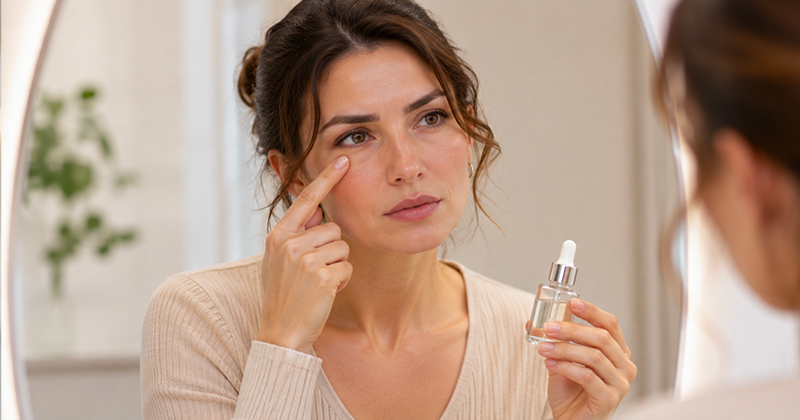
Recently, skincare products claiming to plump the lips, reduce under-eye hollows and deliver Botox-like effects have been gaining attention on social media. These serums, particularly those promoted by influencers, appeal to people looking for aesthetic improvements without injections.
Among these products are plumping serums containing 6% Volufiline + 1% Pal-Isoleucine. Some advertisements suggest that these products can enhance lip volume, restore fullness beneath the eyes and reduce wrinkles in a way similar to Botox.
But can a serum applied to the skin really replace Botox or dermal fillers?
Current scientific evidence does not demonstrate that these cosmetic serums can produce results equivalent to injectable Botox or dermal fillers. However, that does not mean skincare products offer no benefits.
What Are Volufiline and Pal-Isoleucine, and Do They Really Add Volume?
Volufiline is a cosmetic ingredient associated with sarsasapogenin, a compound derived from the Anemarrhena asphodeloides plant. It was developed based on the proposed ability to influence fat cell differentiation and fat storage processes.
Pal-Isoleucine, also known as palmitoyl isoleucine, is a lipoamino acid. It is used in cosmetic formulations to support the appearance of the skin, but it has not been demonstrated to reduce muscle movement like Botox or create volume like injectable fillers.
What Does Scientific Research Say About Volufiline?
Research on Volufiline includes laboratory studies and limited human data reported by the manufacturer. In a study described in the manufacturer's patent document, 28 participants were evaluated over 56 days, with an average volume increase of approximately 2.2% reported in the treated breast area.
However, the reported p-value of 0.1 does not meet the commonly used 5% threshold for statistical significance. Therefore, the study should not be regarded as strong clinical evidence of effectiveness.
Furthermore, the research was not conducted on the lips, cheeks or under-eye area. It also cannot be assumed that the formulation studied is identical to every Volufiline serum available on the market.
For these reasons, the study does not establish that serums containing 6% Volufiline + 1% Pal-Isoleucine produce significant or lasting filler-like effects in facial areas.
What Do 6% Volufiline and 1% Pal-Isoleucine Actually Mean?
The percentages shown on the packaging may indicate the proportions of ingredients used in the formulation. For commercial ingredients such as Volufiline, which are supplied as mixtures, the stated percentage may not be equivalent to the concentration of the pure active compound.
The label “6% Volufiline + 1% Pal-Isoleucine” does not, by itself, prove a volumizing effect. Establishing such an effect would require controlled clinical studies of the finished product in the specific areas where it is intended to be used.
Can a Topical Serum Really Have a Botox-Like Effect?
First, it is important to understand what Botox is and how it works.
Botox is a medication containing botulinum toxin that is injected into targeted muscles using fine needles. By temporarily reducing muscle activity, it helps soften the appearance of wrinkles caused by facial expressions.
Botox works by delivering the medication directly into the relevant muscle through injection. There is no scientific evidence demonstrating that a cosmetic cream, serum or solution applied to the skin can produce the same effect.
As a physician, I believe this distinction is particularly important. Botox does more than simply moisturize the skin or make it appear smoother. It temporarily reduces muscle movement, helping soften expression lines in the treated area.
Some serums may temporarily make fine lines less noticeable by hydrating the skin. However, this does not mean they work through the same mechanism as Botox.
Therefore, it would be inaccurate to suggest that products marketed as “Botox-effect serums” can replace medical Botox treatments.
Can Needle-Free Filler Serums Really Restore Facial Volume?
Dermal fillers also work through a different mechanism from skincare products.
Many fillers used for aesthetic purposes are made from hyaluronic acid. These products are specifically developed for injection, and their cross-linked molecular structure allows them to provide volume and structural support in certain areas of the face.
They are administered using a needle or cannula to areas such as the lips, chin or parts of the face affected by volume loss. Depending on the product and treatment area, their effects may last for several months.
Hyaluronic acid found in creams and serums, however, does not have the same structure or purpose as injectable fillers. Topical products are primarily designed to hydrate the skin and improve its surface appearance.
Skin that looks plumper because it is hydrated is not the same as the structural volume created by a filler placed beneath the skin.
It would therefore be incorrect to assume that a cosmetic serum can replace injectable dermal filler treatments.
Can Plumping Serums Enlarge the Lips or Fill Under-Eye Hollows?
The lips and under-eye area are among the most commonly targeted areas in marketing claims about these products.
Can Volufiline Serum Make Your Lips Bigger?
The appearance of the lips can change due to hydration, lighting, makeup or temporary surface effects of a product. Some cosmetic products may make the lips appear fuller for a short period.
However, sufficient independent clinical research has not confirmed that Volufiline-containing serums produce measurable, lasting increases in lip tissue volume comparable to injectable fillers.
Can Volufiline Reduce Under-Eye Hollows?
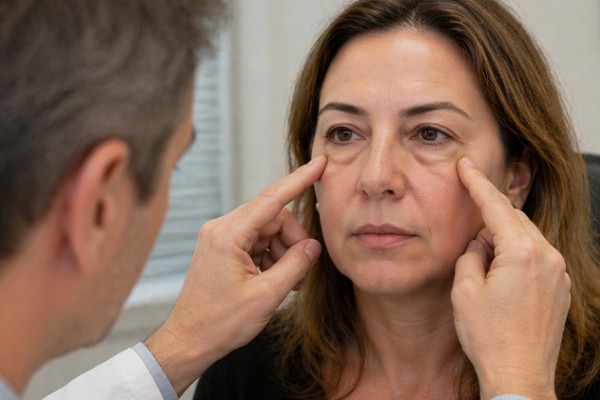
Under-eye hollows are not caused solely by dry skin. Genetic facial structure, the distribution of fat tissue and age-related changes in facial volume can also contribute.
A serum may make fine lines caused by dryness appear less noticeable. However, there is insufficient clinical evidence showing that it can correct anatomical hollows beneath the eyes.
It is also important to remember that not every serum is suitable for use around the eyes or on the lips. Product instructions should be followed, and the possibility of irritation, redness or allergic reactions should be considered.
Are Social Media Before-and-After Results Scientific Evidence?
Before-and-after images of skincare products are widely shared on social media. However, these photographs alone do not prove that a product delivers its advertised results.
Lighting, camera angles, makeup, facial expressions and temporary skin hydration can all change how someone looks in a photograph. A result observed in one person does not necessarily mean that the same product will produce similar effects in everyone.
For a reliable assessment, products should be studied under controlled conditions, with findings supported by independent research.
It is particularly important to distinguish marketing claims from scientifically demonstrated effects when products are advertised using phrases such as “needle-free fillers,” “serums that replace Botox” or “creams that fill under-eye hollows.”
Are Serums That Promise Botox and Filler Effects Completely Ineffective?
It would be incorrect to say that skincare products have no benefits. Serums with suitable formulations can hydrate the skin, reduce dryness and help make superficial fine lines appear less noticeable.
Choosing products appropriate for an individual's skin type is also important in professional skincare treatments.
I understand why people want easier, needle-free and more convenient ways to achieve visible results. However, certain aesthetic treatments can only be performed using medical products specifically developed for that purpose and under appropriate clinical conditions.
“These products are somewhat of a trap.” When I say this, I am referring specifically to topical products being marketed as replacements for Botox or dermal fillers without sufficient scientific evidence to support those claims.
A product may be useful for moisturizing the skin. However, claiming that the same product can enlarge the lips as though they had been treated with fillers, or produce the same effects as Botox, is an entirely different matter.
It is natural for patients to hope for easy results. What matters is ensuring that those expectations are consistent with effects that have actually been demonstrated scientifically.
How Do You Choose Between Skincare, Botox and Dermal Fillers?
The first step is to identify the concern the individual wants to address. Dry skin, wrinkles caused by facial expressions and anatomical volume loss have different underlying causes.
For dry skin and superficial fine lines, appropriate skincare products may provide supportive benefits. Botox may be considered for wrinkles associated with facial muscle movement, while dermal fillers may be considered for volume loss in specific areas.
However, these treatments are not necessary or suitable for everyone. It is important to have realistic expectations, understand the potential risks and establish what the individual hopes to achieve.
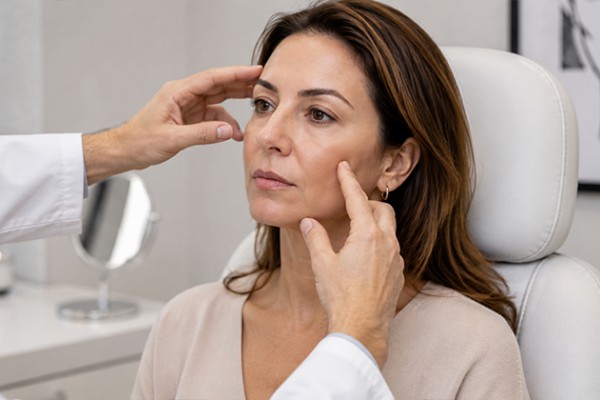
Facial anatomy, skin characteristics, expectations and potential risks should all be evaluated during a medical consultation. This helps determine whether skincare alone is sufficient or whether a different treatment may be appropriate.
Do Needle-Free Botox and Filler Serums Work? In Brief
Depending on their formulation, serums containing Volufiline and Pal-Isoleucine may be used to moisturize the skin and support its appearance.
However, expecting skincare benefits from these products is not the same as expecting them to deliver the effects of Botox or dermal fillers.
Topical creams and serums can support skincare, but they have not been scientifically demonstrated to provide the structural volume created by injectable fillers or the effects of Botox on muscle movement.
To better understand how these two medical treatments work differently, you can read our article explaining the differences between Botox and dermal fillers.
Frequently Asked Questions
Do needle-free Botox-effect serums actually work?
Some serums can temporarily reduce the appearance of fine lines by hydrating the skin. However, there is no reliable clinical evidence showing that they restrict muscle movement in the same way as Botox.
Can Volufiline serum make your lips bigger?
There is insufficient independent clinical evidence showing that Volufiline-containing serums create significant lip volume comparable to injectable fillers. A temporary plumping appearance is not the same as an actual increase in tissue volume.
Can a serum containing 6% Volufiline + 1% Pal-Isoleucine replace dermal fillers?
No. These ingredient percentages do not prove that the product is as effective as a dermal filler. The concentration of ingredients alone does not establish the clinical effectiveness of the finished product.
Can Volufiline reduce under-eye hollows?
Some cosmetic products may help reduce the appearance of fine lines caused by dryness beneath the eyes. However, there is insufficient clinical evidence that Volufiline serums can correct anatomical under-eye hollows.
Do hyaluronic acid creams work like dermal fillers?
Hyaluronic acid creams can help hydrate the skin and make it appear smoother. However, they do not provide the structural volume support created by injectable dermal fillers.
Are serums that promise Botox and filler effects harmful?
Not all serums are harmful. However, irritation, redness or allergic reactions may occur. The product's ingredients, intended application area and instructions should be considered. Products that are not specifically suitable for the delicate eye area should not be applied there.
Medical Disclaimer: This content is intended for general health information only. The effects of cosmetic products may vary depending on their formulation and individual characteristics. Medical aesthetic treatments require an individualized assessment by a qualified physician.